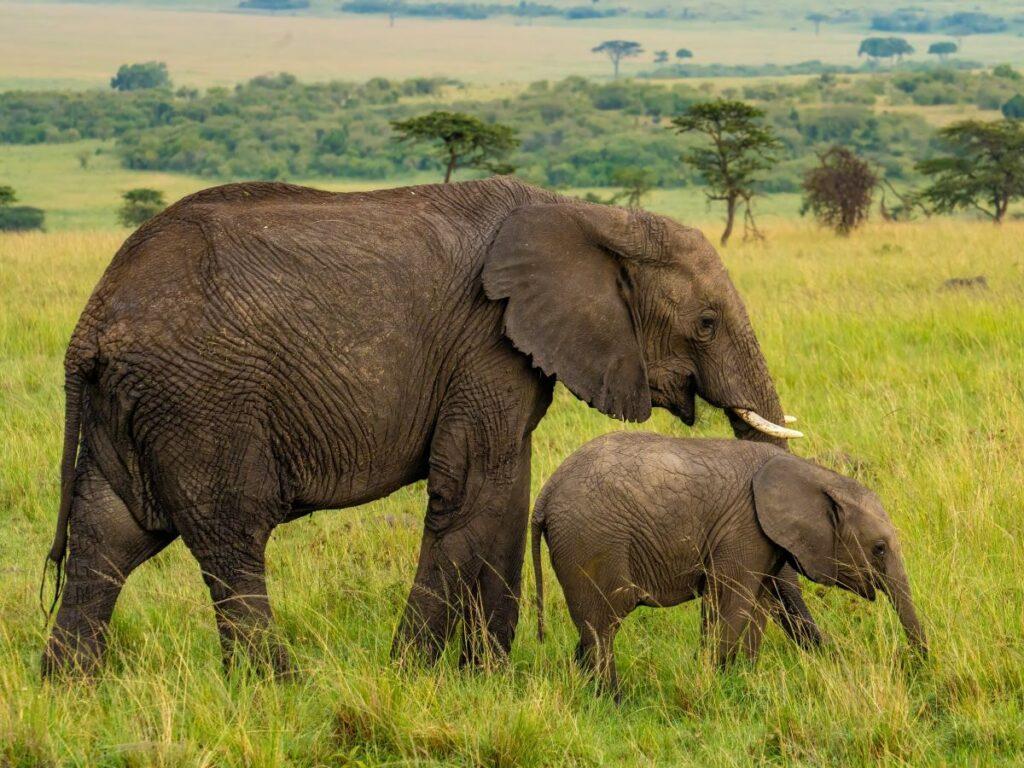
Kenya Wildlife Service investigates the tragic deaths of 15 Amboseli elephants from suspected cyanide poisoning after consuming toxic agricultural crops.
The deaths of 15 elephants in Kenya's Amboseli ecosystem have sparked concern among conservationists and wildlife authorities, with preliminary investigations pointing to suspected cyanide poisoning.
The elephants died between June 24 and July 24 in Kimana Sanctuary and the neighbouring Kuku Group Ranch in Kajiado County. Initial laboratory tests by the Kenya Wildlife Service (KWS) detected traces of cyanide in samples collected from the carcasses, prompting an investigation into the possible source of the toxic substance.
The incident comes as Kenya continues to safeguard one of Africa's largest elephant populations. The country is home to more than 36,000 elephants, most of them found in key conservation areas including Amboseli, Tsavo, Samburu and the Maasai Mara. While years of anti-poaching campaigns have helped the population recover, wildlife experts now warn that human activities around protected areas are presenting new and complex threats.
According to KWS, ten of the elephants first showed signs of paralysis before dying within two days, while five others were found dead later. The animals included breeding females and calves, with six belonging to the same family herd—a loss conservationists say could have lasting effects on the herd because elephants rely on close family bonds led by older females.
Veterinary examinations revealed tomatoes in the stomach of one of the elephants, raising suspicion that the animals may have fed on crops contaminated with cyanide-based chemicals. Investigators have since collected water, soil and vegetation samples from nearby farms to establish how the poison found its way into the elephants' food.
Kenya Wildlife Service Director General Erustus Kanga described cyanide as one of the most dangerous poisons for wildlife.
"Cyanide is a highly toxic chemical, particularly for elephants," he said.
Kanga warned that the effects could extend beyond wildlife if contamination is confirmed.
"Other than the elephants and the wildlife that may be feeding in those fields, we have the local livestock. We have the goats. We have the cattle that are there. Eventually, if this is truly what is in the system, then we are going to see a bigger impact," he said.
KWS has nevertheless assured the public that the toxic substances detected in the elephants pose no immediate threat to human health. The agency has stepped up surveillance in the Amboseli ecosystem and says investigations are continuing to determine whether the contamination was accidental or deliberate.
The Amboseli ecosystem, which supports more than 2,000 elephants, is internationally recognised for its successful conservation programme and its iconic big tuskers. It also forms an important wildlife corridor where elephants move between protected areas and community lands. As farming continues to expand along these routes, conservationists say encounters between people and wildlife are becoming more frequent, increasing the risk of conflict and accidental exposure to hazardous chemicals.
While authorities await the final toxicology report, conservation groups say the incident should prompt a closer review of how hazardous agricultural chemicals are stored, transported and used near wildlife habitats. They argue that protecting elephants now requires more than anti-poaching patrols—it also means addressing emerging environmental threats in landscapes where people and wildlife increasingly share the same space.